Micro RGB is Here: Why 2026 is the Year OLED Might Finally Lose Its Crown
The Quick Answer
Micro RGB is poised to challenge OLED's dominance with brighter displays, zero burn-in risk, and the industry's first Triple 100% Color Coverage (BT.2020, DCI-P3, and Adobe RGB). While OLED still wins on perfect blacks and price, Micro RGB offers superior brightness for bright rooms and static content like gaming HUDs and news tickers.
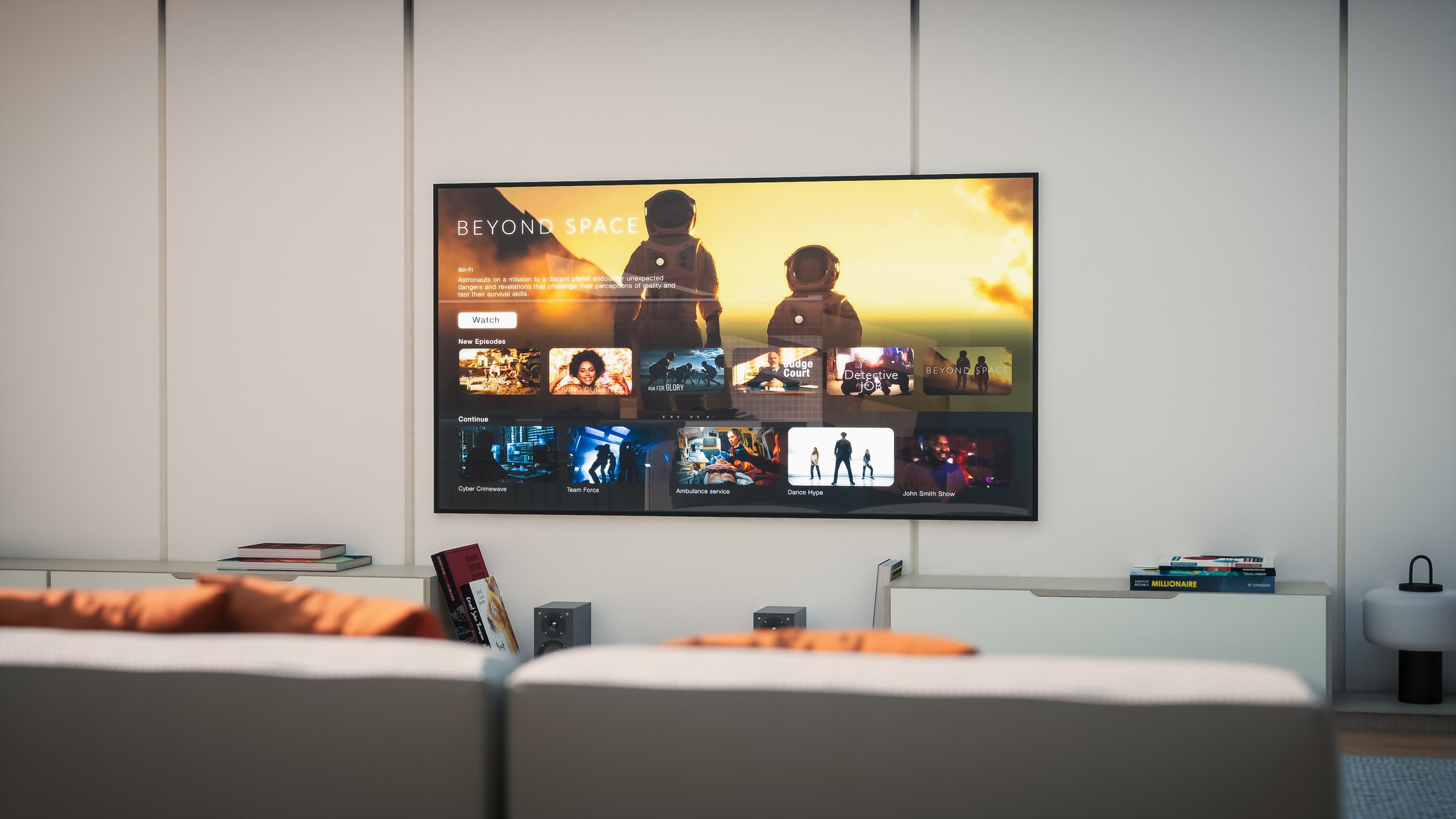
For years, OLED technology has dominated the premium display market, offering unmatched picture quality with deep, perfect black levels. OLED became the gold standard for high-end TVs, to the point where most of the best TVs available right now are OLEDs. But there's a new challenger on the horizon: Micro RGB.
Micro RGB has been making headlines, with manufacturers like LG and Samsung developing their own versions. The promise? Address OLED's limitations while delivering unique advantages. But will Micro RGB actually prove to be better than the reigning champ?
LG Micro RGB evo: Built from 13 Years of OLED Expertise
LG's first-generation RGB TV goes beyond traditional Micro RGB. Certified for Triple 100% Color Coverage, the Micro RGB evo uses the same alpha 11 AI Processor as OLED, capable of controlling 8.3 million pixels, combined with a dedicated Micro RGB Engine for ultra-precise light control.
Smallest RGB LEDs
Smaller than MiniLEDs, delivering pinpoint brightness and color control that surpasses QNED Evo's MiniLED technology.
Multi-Color Chips
Independent light and color control using precise red, green, and blue emission for a wider spectrum of vivid, accurate color.
Triple 100% Coverage
The only TV with 100% coverage across BT.2020, DCI-P3, and Adobe RGB standards. Perfect for gamers, creators, and photo enthusiasts.
Thousands of Dimming Zones
The alpha 11 AI Processor powers thousands of dimming zones for striking contrast and fine detail in every scene.
What is OLED?
OLED (Organic Light-Emitting Diode) is a display technology made with organic materials that emit light when electricity passes through them. Unlike traditional LED displays, OLED doesn't need a backlight: each pixel produces its own light and can turn off completely.
This is why OLED TVs deliver perfect black levels. When a pixel is off, it's truly black with no light bleed and no compromise.
OLED has matured significantly: Today's displays are more efficient, brighter, and more resistant to burn-in issues that plagued earlier versions. The organic nature also allows for flexible, rollable, and foldable screens.
What is Micro RGB?
Micro RGB is less straightforward. You might assume it's a form of Micro-LED - but it's not quite.
Instead, think of it as a middle-ground between Mini-LED and Micro-LED. Micro RGB displays still use a backlight, but instead of white light, the backlight produces red, blue, and green light with tiny RGB LEDs. These microscopic backlight LEDs can turn off individually, but when on, the light passes through LCD pixels.
Key difference: These tiny LEDs aren't organic (like OLED), so they can be pushed to brighter levels without the same risk of damage or burn-in. This enables superior color accuracy and purity.
Micro RGB vs OLED:
R Micro RGB
- RGB backlighting through color filters
- Can push brighter without burn-in risk
- 100% of BT.2020 color space
O OLED
- Excellent wide color gamut
- QD-OLED produces vibrant, bright images
- ~90% of BT.2020 (still exceptional)
Winner: Micro RGB - Samsung's S95F OLED reached 90.26% BT.2020 coverage, which is exceptional but falls short of Micro RGB's claimed 100%.
✓ Micro RGB
- Immune to burn-in (inorganic LEDs)
- Consistent performance over extended periods
- Safe for static content (logos, HUDs, tickers)
! OLED
- Still susceptible to burn-in (organic materials)
- Mitigation: pixel shifting, brightness limiting
- Risk with static content (channel logos)
Winner: Micro RGB - For gaming with HUDs, news channels, or outdoor displays with static elements, Micro RGB eliminates burn-in anxiety entirely.
So Who Wins? The Verdict
Both OLED and Micro RGB offer distinct advantages. They simply excel in different situations.
OLED Wins For:
- Perfect black levels & infinite contrast
- Movie-theater-like viewing experience
- Much more affordable and accessible
- Dark room viewing (home theaters)
Micro RGB Wins For:
- High brightness (bright rooms, ambient light)
- Zero burn-in risk for static content
- 100% BT.2020 color space coverage
- Outdoor displays & commercial signage
The Elephant in the Room: Price
Micro RGB displays are barely available, and in regions where they are, expect to pay "new-car money." That's likely to change over time, but for now, OLED remains the practical choice for most buyers.
Ready to Mount Your New LG Micro RGB evo?
We're certified to install the latest display technology including LG's revolutionary Micro RGB evo. Professional mounting with $1M insurance coverage and same-day service available.
Still Not Sure Which TV to Buy?
Use our interactive TV Technology Guide to find the perfect display technology for your specific room, viewing habits, and budget. Answer 4 quick questions and get personalized recommendations for OLED, Mini-LED, QLED, or Micro-LED.
Find Your Perfect TV TechnologyTakes less than 2 minutes