
Mounting a TV in an
A complete guide for renters on how to safely mount your TV without losing your security deposit

Quick Summary
Everything you need to know in 60 seconds
Mounting a TV in an apartment can be achieved with careful planning and the right tools. Start by identifying your wall type, choose a suitable mount, and gather the necessary tools for installation. Double-check for wiring, and consider the lease agreement to avoid any lease violations.
If mounting isn't allowed, explore alternative options like freestanding TV stands or adhesive mounts. Cable management solutions will help keep things tidy, and when it's time to move, be prepared to patch and restore the wall if needed.
With these tips, renters can create a stylish, safe setup without risking damage or extra costs.
Why Mount a TV in a Rental Unit?
According to the Census Bureau and Pew Research Center, there are 20 million rental properties in the United States. A majority of rentals are apartments, located in a complex or a large building with multiple units, but some landlords opt to rent out a single home, leasing individual rooms or floors.
Regardless of the setup, the average size of an apartment is 882 square feet, and the smallest apartments in the country are located in Seattle, Chicago, and New York. So it should be no surprise that when it comes to storing larger items like TVs, shelving, and storage units, renters look to their walls as a space-saving solution.
Space Saving
Free up valuable floor and tabletop space in small apartments
Better Viewing
Optimal height and angle for comfortable TV watching
Safety First
Keep electronics away from children and pets
Assessing Wall Types in Apartments
The first step to mounting a TV is understanding what type of walls you're working with. Apartment walls can be made from various materials, each with its own installation requirements.
Drywall
The most common wall type in apartments. Drywall is easy to work with and suitable for many TV mounts, but you'll need wall studs for a secure hold.
Best Practice: Always locate and drill into wall studs for maximum support. Use a stud finder for accuracy.
Metal/Steel Studs
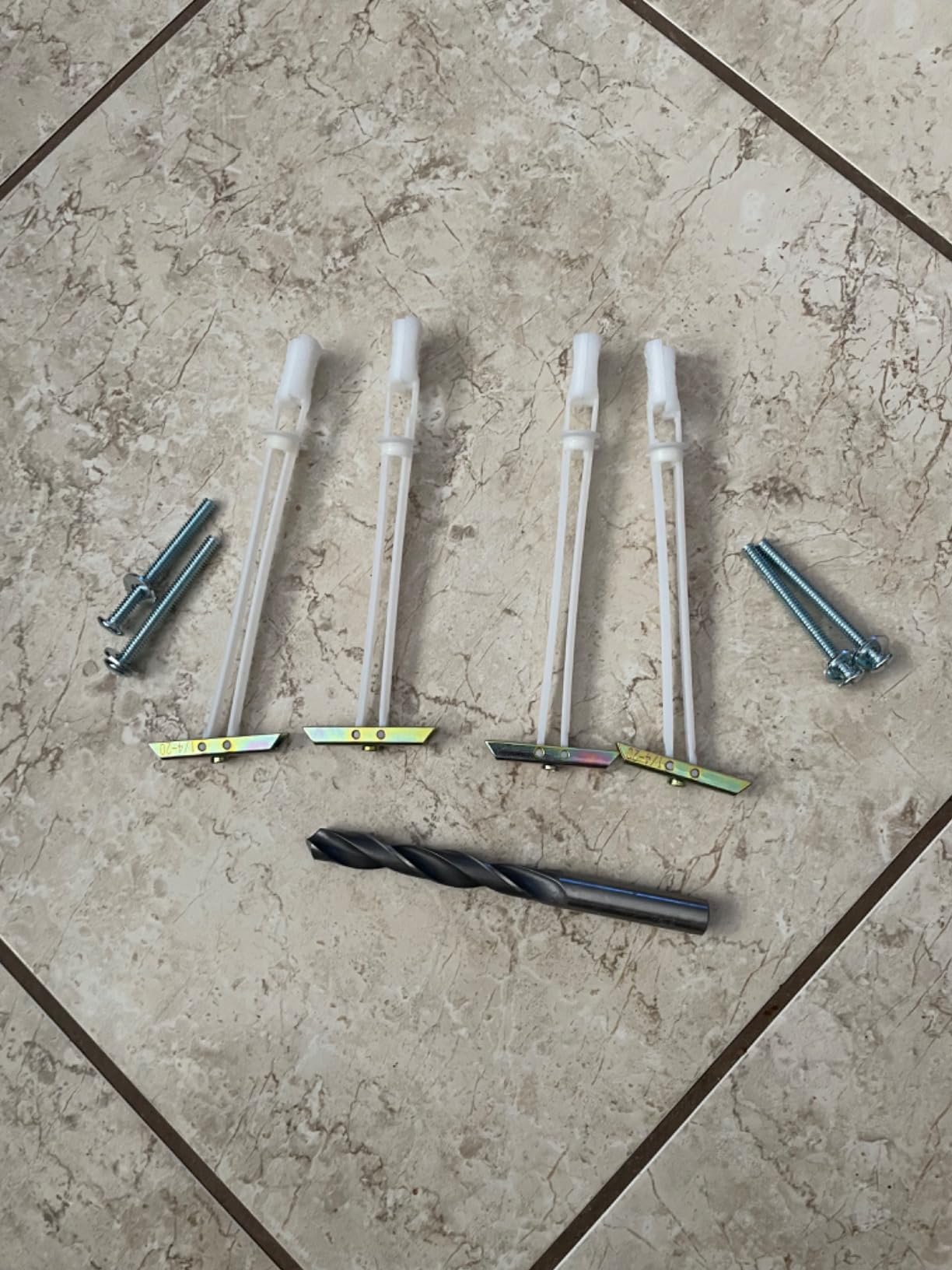
Common in apartments over 5 stories, steel studs are hollow and require special mounting hardware like strap toggles for secure TV installation.
Special Technique: Requires drilling through metal and using strap toggles. Learn how to mount a TV on steel studs.
Plaster
Found in older buildings, plaster walls can be more challenging to work with. They're brittle, so extra care is needed.
Caution: Drill slowly and use masking tape over the drilling area to prevent cracking. Consider toggle bolts for extra support.
Brick or Concrete
Some apartments have brick or concrete walls, which can securely support heavier items. However, they require masonry tools for drilling.
Tools Needed: Masonry drill bits, hammer drill, and appropriate anchors. Learn how to mount on brick/concrete walls.
Pro Tip: Knowing your wall type helps you determine the tools and anchors you'll need for the installation.
You Need This Kit to Install a TV in an Apartment with Steel Studs
Mounting a TV on steel studs requires special hardware. This kit includes everything you need for a secure installation.
Buy Now on AmazonFree shipping available • 30-day returns
Frequently Asked Questions
Can I mount a TV in my apartment?
What tools do I need to mount a TV in an apartment?
Can I mount a TV without drilling?
Will mounting a TV damage my apartment walls?
What if my apartment has metal studs?
Finding the Right
Once you've assessed your wall type, it's time to choose a mount that fits both your TV and the wall.
Fixed Mounts
These mounts keep your TV close to the wall. They're simple, affordable, and good for rooms where the viewing angle doesn't need to change.
Tilting Mounts
These allow slight adjustments to the viewing angle up and down, which is helpful for reducing glare.
Full-Motion Mounts
Also known as swivel mounts, these allow you to pull the TV out and angle it in different directions.
Important: Check Compatibility
Check the size and weight specifications of each mount to ensure compatibility with your TV model. Look for VESA mounting pattern compatibility (the distance between mounting holes on the back of your TV).
Tools Needed for Installation
Proper tools are essential to safely mount your TV. Here's a list of the most common tools you'll need.
Drill & Drill Bits
Essential for creating anchor holes. A masonry bit may be needed for concrete walls.
Stud Finder
A stud finder helps locate wall studs, which provide the necessary support.
Level
Ensures that your TV mount is installed evenly and straight.
Screwdriver
For securing bolts and screws into the mount. Phillips and flathead recommended.
Measuring Tape
Helps position the TV at an ideal height and center it properly.
Pencil
For marking the mounting points on the wall before drilling.
Additional Tools You May Need
- Allen wrenches (often included with mount)
- Socket wrench set
- Wire detector for electrical safety
- Awl for marking starter holes
Checking for Electrical & Cable Routing
Before drilling, it's crucial to check for electrical wiring behind the wall. Accidentally hitting a wire can cause significant damage, not to mention safety hazards.
Steps for Checking Wiring
Use a Wire Detector
Wire detectors are often included in stud finders, making them handy for finding both studs and hidden wires.
Plan Cable Routing
Consider where power outlets are located and plan your TV's cable routing accordingly.
Install Cable Management
Concealed cable channels can be easily installed along the wall to keep cords organized and out of sight.
Cable Concealment Options
Wall Cable Channels
Plastic channels can be painted to match your walls and hide the cords seamlessly.
In-Wall Cable Kits
For a more polished look, in-wall kits let you route cables through the wall.
Cable Management Boxes
These can sit below the TV and keep all the power strips and excess cords organized.
Safety Warning
Taking these precautions helps avoid electrical mishaps and keeps your setup safe. Never drill into a wall without first checking for electrical wiring, pipes, or structural supports. When in doubt, consult a professional.
Steps to Mount the TV
With the right mount and tools, it's time to install! Here's a step-by-step guide for mounting a TV in an apartment.
Check with Your Landlord
The first step is to check with your landlord. As unpleasant as it may be, giving your landlord a heads up will go a long way. Start by asking about the building's policy on TV mounting. Your landlord may agree to let you mount your TV as long as you pay to have any damage fixed.
Tip: Ask what color paint they used in the room so you can patch and paint holes before moving out.
Find the Right Location
Before you start drilling, pick the right wall. Measure the dimensions of your television and mark them on the wall with a pencil. You can use painter's tape to create the outline of your TV to visualize the placement.
Use Our TV Height CalculatorLocate Wall Studs
Use the stud finder to mark the studs, ideally where you want the mount to be. You can also test by knocking lightly along the wall with your knuckles to hear for any hollow spots. These are spots to avoid. Once you've confirmed you've found studs, mark the stud's center with a pencil.
Mark & Verify Level
You may need a partner for this step. Hold the bracket's slats over the marks and place your bubble level on top of the bracket to ensure it sits level. Verify this before drilling because once you start creating holes, it can be very difficult to troubleshoot without causing additional damage.
Drill Pilot Holes
Drill at the marked points. For concrete or plaster, use appropriate bits and take it slow to avoid damaging the wall. Typically, a ¼" drill will work, but this can vary depending on the unique specs of your TV mount. Measure twice, drill once!
Attach Mount & TV
Clear the drill dust out of your freshly-made pilot holes, add washers to the end of your screws, and secure the bracket to the wall. Attach the TV mounting plate to the back of the TV and, with a partner, line up the TV mount with the bracket on the wall according to the manufacturer's instructions.
Important: Always have someone assist you with lifting and securing the TV to avoid accidents.
Need Professional Installation?
Our expert technicians can handle everything from start to finish, ensuring a perfect installation every time.
Book Installation ServiceAnchoring & Bracing Techniques
Anchoring is crucial for keeping your TV stable, especially on drywall where studs might not align perfectly.
Toggle Bolts
Good for drywall and plaster. They expand behind the wall for extra support. Essential for mounting TVs on steel studs in modern apartments.
Masonry Anchors
Ideal for brick or concrete walls. These anchors provide a secure hold even in dense wall materials. Learn our complete brick mounting guide.
Wall Studs
If possible, always attach the mount to wall studs for maximum support.
Critical: Proper Anchoring
Securing the mount properly is vital for stability, especially if you have a heavier TV or full-motion mount. Always use the appropriate anchoring method for your wall type and TV weight.
Considerations for
Since apartments are rented spaces, it's important to review your lease or check with your landlord before mounting a TV. Many leases have guidelines about wall modifications.
Points to Check
Approval for Drilling
Some landlords allow wall mounts, but it's wise to get written approval beforehand.
Damage Policies
Ensure you know the policy for wall damage, as some landlords may charge for repairs if you leave holes.
Restoration Expectations
Be clear about what needs to be restored upon moving out, including filling holes or repainting.
Pro Tips
Ask your landlord what paint color was used so you can patch and paint holes when moving out
Take photos before and after installation to document the condition
Get permission in writing via email or letter for future reference
Ask neighbors how they handled their TV mounting for local insights
Remember: Communication is Key
By clarifying these details with your landlord beforehand, you can avoid issues down the road and protect your security deposit. Most landlords appreciate tenants who communicate openly about modifications.
Alternative
If wall mounting isn't feasible, there are several alternative options that don't require drilling.
Freestanding TV Stands
Sturdy stands offer adjustable heights and can be moved without modifying walls. Pillar standing TV mounts mimic the space-saving solution of wall mounting.
No-Drill TV Wall Mounts
Some mounts use adhesive strips or are secured with nails instead of large drill holes, which may work for lighter TVs.
Corner TV Stands & Consoles
Renters can utilize each square foot of their apartment with corner-storage solutions that maximize space efficiency.
Rail Systems & Minimal Damage Solutions
Wall anchors and rail systems let you mount on a single bracket without multiple holes, minimizing wall damage. These systems are ideal for renters who want the wall-mounted look with minimal commitment.
These options allow flexibility while keeping the wall damage to a minimum, making them perfect for apartment living.
Benefits of Alternative Options
- Preserve your security deposit
- Easy to relocate when moving
- No landlord approval required
- Simple DIY installation
Reinstalling or
If you plan to move out, you'll need to either reinstall the mount or remove it completely, especially if your landlord requires restoration.
Steps to Remove a TV Mount
Detach the TV
Safely lift the TV off the mount with assistance from a partner. Store the TV safely.
Unscrew and Remove Mount
Remove the screws and take the mount off the wall carefully.
Patch Holes
Fill any holes with spackling paste, then sand smooth once dry.
Paint if Necessary
Apply matching paint color to blend the patched areas with the wall.
Supplies You'll Need
Spackling Paste
For filling screw holes and anchor points
Sandpaper
Fine grit (220) for smoothing patched areas
Matching Paint
Touch-up paint in the wall's color
Cleaning Supplies
Damp cloth to clean dust and debris
Do This
- • Take photos before and after for documentation
- • Fill holes immediately after removing mount
- • Sand smooth for a professional finish
- • Use matching paint for seamless repair
- • Give landlord notice of restoration work
Don't Do This
- • Leave holes unfilled when moving out
- • Use toothpaste or other makeshift fillers
- • Skip sanding the patched areas
- • Forget to repaint after patching
- • Assume landlord won't inspect walls
Protect Your Security Deposit
A tidy removal job can help ensure you don't lose your security deposit over wall damage. Taking the time to properly patch and paint shows respect for the property and demonstrates you're a responsible tenant.
Making Your Apartment Feel Like
Whether you've recently moved in or have been living in your apartment for a few years, making a rental your own requires some creativity. Projects like hanging artwork, painting walls, and upgrading hardware could cost you your security deposit and cause you to pay a hefty price for some small improvements.
Luckily, with a little elbow grease and a plan, any rental can be transformed into a more permanent-feeling space without sacrificing the security deposit. Mounting your flat screen on the wall frees up tabletop space that's essential for other storage in a small rental.
If you rent, there's no need to feel discouraged about working within the limitations of your lease. There are plenty of ways to make your temporary living situation feel more like a permanent home.
Let the Pros Handle It
Not confident about drilling into your rental walls? Our professional installation team knows exactly how to mount your TV securely while minimizing wall damage. We work with renters every day and understand the importance of protecting your security deposit.
Serving Denver, Houston, and Austin